TCN: The Tripod of Automation, Regular Maintenance, Human Capacity Development
Onwe Wisdom, Pan Afric Reporters
Behind the vast network of transmission lines powering homes and industries, the Transmission Company of Nigeria, TCN, has been quietly undertaking a digital transformation aimed at modernising its internal operations and improving efficiency.
The strategy reflects a growing recognition that modern electricity transmission systems increasingly depend not only on physical infrastructure, but also on data management, communication efficiency and predictive operational intelligence.
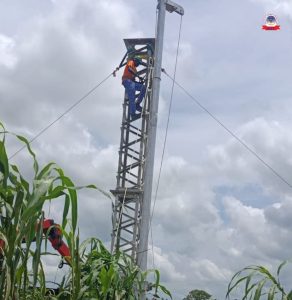
Equally important is TCN’s renewed emphasis on proactive maintenance. For years, deferred maintenance remained one of the silent threats undermining electricity infrastructure reliability across the country.
Under the leadership of its Managing Director and Chief Executive Officer, Engr. (Dr.) Sule Ahmed Abdulaziz, the company has prioritised routine maintenance practices and the procurement of essential spare parts aimed at preventing disruptions before they occur or resolving them with dispatch.
The shift from reactive repairs to preventive maintenance is gradually improving equipment reliability and operational efficiency across transmission installations.
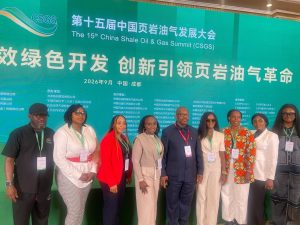
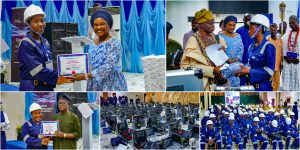
Investing in Human Capital development is another priority of this Engr Abdulaziz’s Administration to sustain and efficiently manage the national grid. Behind every transmission tower, control system and substation lies a workforce responsible for ensuring uninterrupted operations under intense pressure.
Recognising this reality, TCN has expanded investments in staff training and professional development. Employees are being equipped with updated technical expertise to manage evolving industry demands and modern digital systems.
Across several operational centers, workplace infrastructure is also being upgraded to improve productivity and staff welfare. Office complexes have undergone renovations, while modern facilities have been constructed in locations including Aja in Lagos State, Kano, Abuja, Ihovbor in Edo State, Owerri and Uyo, among others.
Within the organisation, management believes improved working environments directly influence operational performance and employee motivation.
The broader objective is to build not just stronger infrastructure, but a stronger institution. Yet, modernisation efforts continue to face serious threats.
Transmission infrastructure vandalism remains one of the most persistent challenges confronting the sector, often leading to outages, equipment damage and costly repairs. In response, TCN has increasingly turned toward community engagement and stakeholder collaboration.
The company now organises sensitisation programmes across host communities housing transmission installations, seeking local support in protecting critical national infrastructure. Partnerships with security agencies and state governments have also intensified as part of broader efforts to combat sabotage and protect grid assets nationwide.
Officials say these interventions are already yielding positive outcomes in several regions. Nigeria’s electricity sector still faces enormous structural challenges. Generation constraints persist.
Distribution inefficiencies remain widespread. Millions of Nigerians continue to experience unreliable electricity supply daily.
But within the transmission segment, a significant shift appears underway. TCN’s digital transformation drive signals an institutional recognition that the future of electricity transmission will depend increasingly on automation, data visibility, smart infrastructure and predictive system management.
For years, conversations around Nigeria’s electricity crisis focused almost exclusively on failures. Now, slowly, another story is beginning to emerge, one centered on modernisation, technological adaptation, operational resilience and high quality service delivery.