TCN Boosts Abuja Power Supply with New 300MVA Transformer at Katampe Substation
By Onwe Wisdom, Pan Afric Reporters
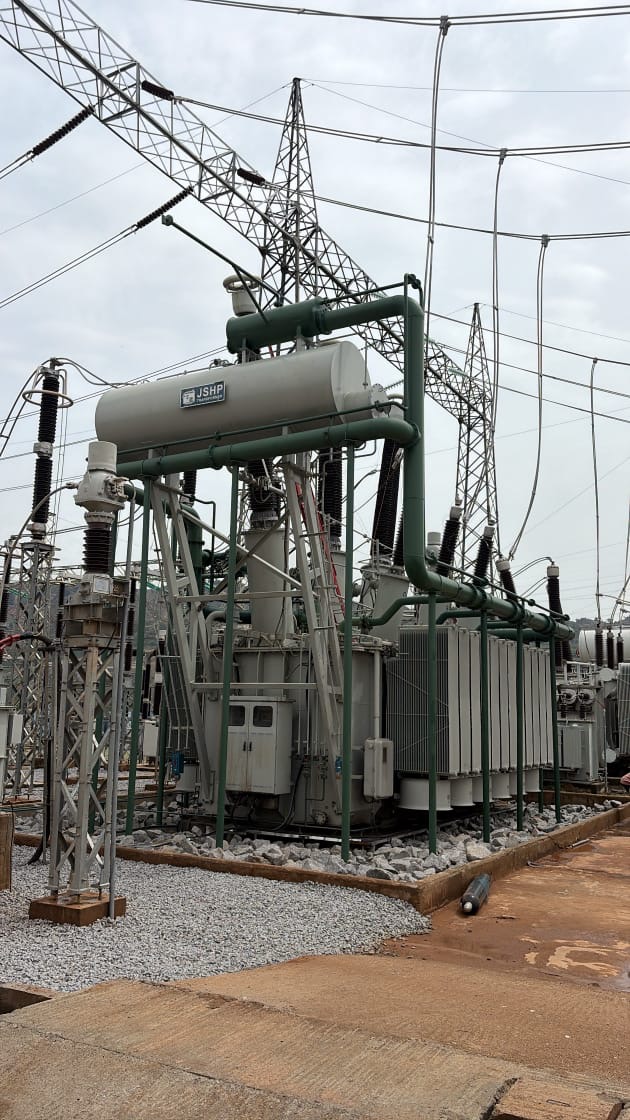
The Transmission Company of Nigeria (TCN) has commissioned a new 300MVA 330/132kV power transformer at the Katampe Transmission Substation in Abuja, increasing the facility’s capacity from 450MVA to 750MVA in a major boost to electricity supply within the Federal Capital Territory and surrounding areas.
The newly installed transformer is expected to improve power delivery, strengthen grid stability, and enhance electricity distribution to consumers served by the Abuja Electricity Distribution Company (AEDC).
The development was disclosed in a press release issued by TCN and signed by Ndidi Mbah, General Manager, Public Affairs, on May 25, 2026.
The transformer was officially commissioned on Sunday, May 24, 2026, at the Katampe 330/132/33kV Transmission Substation in Abuja.
According to TCN, the additional transformer capacity means more electricity is now available for AEDC to off-take and distribute to homes, businesses, and institutions across Abuja and neighbouring communities.
Speaking during the commissioning ceremony, the General Manager, Transmission, Abuja Region, Musa Shuaibu, said the project reflects TCN’s commitment to expanding and strengthening Nigeria’s transmission infrastructure.
“The installation and commissioning of the transformer underscores TCN’s commitment to the continuous expansion of the transmission network,” Shuaibu stated.
He explained that the upgrade would support increased power delivery, improve overall grid stability, and facilitate better electricity supply to distribution load centres nationwide.
The project was executed under the TCN-World Bank collaborative initiative aimed at rehabilitating and expanding Nigeria’s transmission network as part of broader efforts to improve electricity supply across the country.
TCN noted that the intervention forms part of strategic investments targeted at addressing transmission constraints and enhancing the reliability of the national grid.