ICPC Pushes Anti-Corruption Studies for Law Students to Raise Ethical Lawyers
By Pan Afric Reporters
The Independent Corrupt Practices and Other Related Offences Commission (ICPC) has intensified efforts to integrate anti-corruption education into Nigeria’s legal training system, saying the initiative is designed to produce lawyers who are not only professionally competent but also committed to integrity, accountability and the rule of law.
The position was made known in a press statement issued by the Independent Corrupt Practices and Other Related Offences Commission (ICPC) and signed by its Spokesperson and Head of Media and Public Communications, Mr. J. Okor Odey, on Saturday.
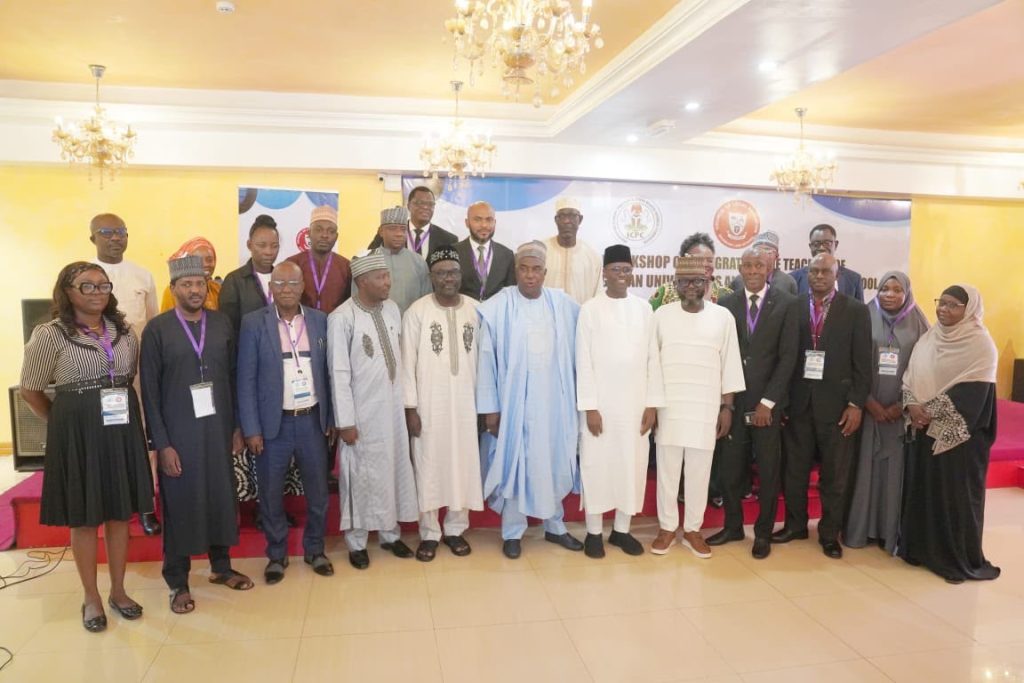
Speaking at the closing ceremony of the ICPC/Nigerian Law School Zonal Workshop on the Integration of Anti-Corruption Education into Nigerian Universities and the Nigerian Law School in Abuja, the ICPC Chairman, Dr. Musa Adamu Aliyu (SAN), said the Commission believes corruption cannot be defeated through investigation and prosecution alone, but requires preventive measures anchored on value-based education.
According to him, instilling ethical principles in future legal practitioners is one of the most sustainable ways to strengthen Nigeria’s anti-corruption campaign.
“Fighting corruption requires more than investigation and prosecution. It also requires prevention, education and the promotion of values such as integrity, transparency, accountability and ethical conduct,” Dr. Aliyu said.
The ICPC Chairman noted that lawyers occupy strategic positions in the administration of justice and governance, stressing that exposing them to anti-corruption principles from the early stages of their training would equip them with the ethical foundation and professional competence needed to resist corruption and strengthen the country’s justice system.
He explained that the initiative aligns with the Commission’s statutory mandate under the Corrupt Practices and Other Related Offences Act, 2000, which places equal emphasis on corruption prevention and public enlightenment.
Aliyu added that the workshop brought together experts from Faculties of Law and the Nigerian Law School to develop a practical framework for incorporating anti-corruption education into legal training nationwide.
He clarified that the Commission was not seeking to impose a rigid curriculum but rather encouraging stakeholders in legal education to determine the most effective approach, whether through a standalone course or by integrating anti-corruption concepts into existing law courses.
The ICPC Chairman described the initiative as a pilot programme capable of transforming legal education and serving as a template for other professional disciplines.
Speaking after the workshop, former Director-General of the Nigerian Law School, Professor Isa Hayatu Chiroma (SAN), disclosed that participants reviewed and refined an initial draft curriculum already prepared by experts.
According to him, the recommendations from the workshop will be harmonised by a technical drafting committee before moving to the next phase of the process.
“We have already developed an initial draft curriculum. The responsibility of this group is to examine it and make further contributions. The outcome of these discussions will be consolidated into a working document by another committee, most likely in August,” Professor Chiroma said.
He explained that the harmonised document would subsequently undergo a comprehensive validation process involving the Council of Legal Education, the Nigerian Law School, Deans of Faculties of Law, the ICPC, and other critical stakeholders before being presented for consideration and eventual implementation across legal education institutions in Nigeria.
The Commission expressed optimism that embedding anti-corruption education into legal training would nurture a new generation of lawyers equipped not only with legal expertise but also with the ethical values required to promote transparency, accountability and the rule of law in Nigeria.