2026 TRANSPORT COUNCIL: GORONYO SEEKS ROAD, RAIL, AIR, MARITIME SYNERGY FOR ECONOMIC GROWTH
By Pan Afric Reporters
The Federal Government has called for stronger integration of Nigeria’s road, rail, maritime and aviation sectors, declaring that a coordinated multimodal transport system is essential to accelerating economic transformation, improving mobility and strengthening national connectivity.
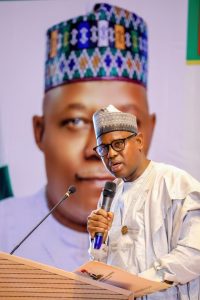
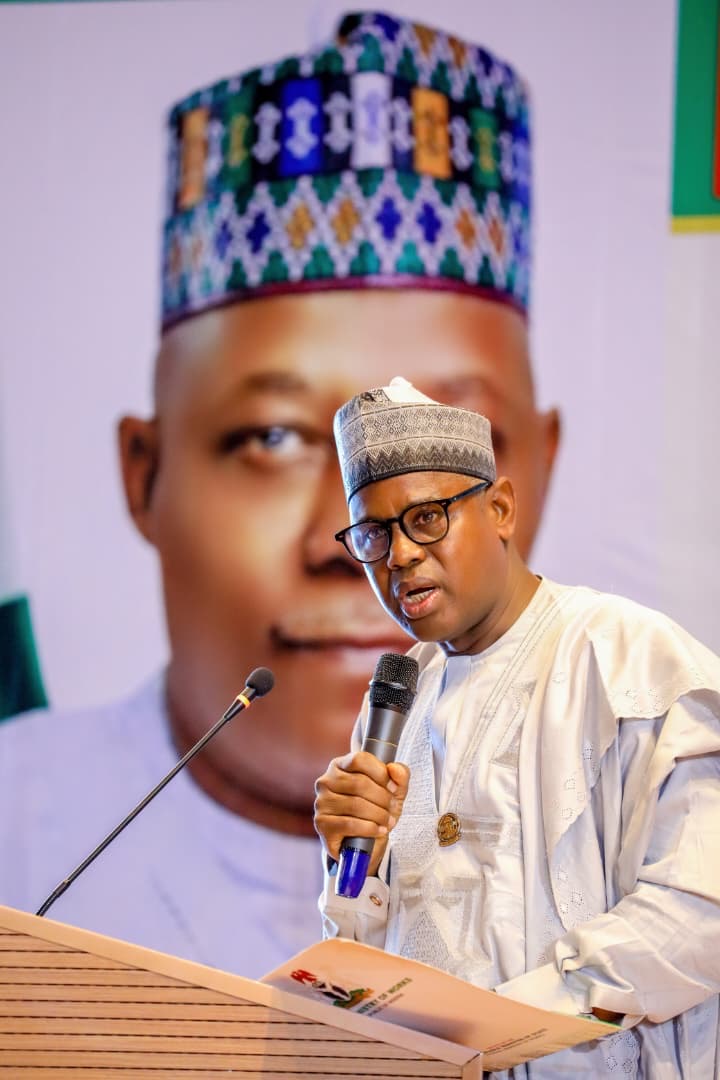
The Minister of Works, Engr. David Umahi represented by the Minister of State for Works, Bello Muhammad Goronyo, Esq., made the call on Wednesday, September 2, 2026, at the 19th National Council on Transportation, themed “Developing Effective Transportation Systems for Nigeria: The Role of Integrated Transportation.”

Goronyo described roads and bridges as the backbone of trade, commerce and human mobility, stressing that durable road networks connect rural agricultural communities to urban markets, seaports and rail terminals.
Representing Umahi, Goronyo according to a press statement e-signed by the ministry’s Director, Information and Public Relations, Mohammed A. Ahmed, said the President Bola Ahmed Tinubu administration was giving unprecedented attention to infrastructure development through the Renewed Hope Agenda, with substantial investments and innovative financing mechanisms. He highlighted four major legacy road projects—the Lagos-Calabar Coastal Highway, Sokoto-Badagry Superhighway, Calabar-Ebonyi-Abuja Trans-Sahara Highway and the Akwanga-Jos-Bauchi-Gombe-Maiduguri-Yola corridor with a spur from Jos to Ibi in Taraba State—describing them as strategic investments designed to promote connectivity, stimulate commerce, create jobs and strengthen national integration.
According to Goronyo, the projects also incorporate environmentally sustainable features, including the use of cement-based rigid pavement technology, dams for irrigation and renewable energy, solar-powered street lighting and windmill technology along the littoral corridor, with the potential to earn carbon credits for Nigeria. He said completion of the projects would enable farmers to move produce to markets faster, improve industrial access to raw materials, ease movement across geopolitical zones and provide safer transportation, while rail infrastructure would complement the road network by taking significant heavy freight off the highways.
The Minister of State further urged Nigerians and host communities to protect public infrastructure against vandalism and theft, particularly road and bridge furniture and other critical assets. He said the government’s investment could only deliver its intended benefits if communities took ownership of infrastructure in their areas and supported relevant agencies in safeguarding public assets.
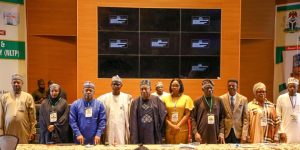
Chairman of the Senate Committee on Land Transport, Senator Adamu Aliero, commended the Federal Government for its investment in road infrastructure, describing good roads as indispensable to sustainable national development. He said the theme of the council was timely because it provided an opportunity for stakeholders in land, water and air transportation to harmonise policies and develop a sustainable intermodal transport strategy, assuring that the National Assembly would continue supporting initiatives aimed at building an efficient transport network.
Representing the Minister of Aviation and Aerospace Development, Mr. Festus Keyamo, the Director of Planning, Research and Statistics, Alhaji Abdullahi Idi, disclosed that Nigeria recorded an Effective Implementation score of 91.45 per cent in the April 2026 ICAO Safety Audit. He said the administration was also strengthening aviation infrastructure, safety, human capacity and regulatory frameworks while reviewing Bilateral Air Service Agreements with strategic international partners to improve connectivity, trade, tourism, investment and employment.

The Permanent Secretary, Ministry of Transportation, Engr. Olufunso Adebiyi, said the ministry was deploying technology to strengthen enforcement and ensure that traffic offenders were identified and appropriately sanctioned, while a representative of Global Foremost Impressions Ltd., Prof. Emmanuel Chijioke Ogbonna, described the integrated transport model as innovative and transformative. Goronyo summed up the government’s position by stressing that “effective rail transportation would complement” the road network by moving significant heavy freight, as stakeholders at the council reaffirmed their commitment to strategic investment, policy coordination and collaboration in building a seamless transport system capable of supporting economic growth and improving Nigerians’ quality of life.